Winter vs Summer
Efficency explained
11/12/20243 min read
Why Solar Panel Efficiency Shines Brighter in Winter
When you think of solar panels, you might picture them basking under a scorching summer sun. But surprisingly, solar panel efficiency—the rate at which they convert sunlight into electricity—actually improves in colder winter conditions compared to hot summer days. Let's break down why heat is the enemy of solar power, why air circulation matters, and how seasons play into this.
The Heat Factor: Why Warmer Isn't Always Better
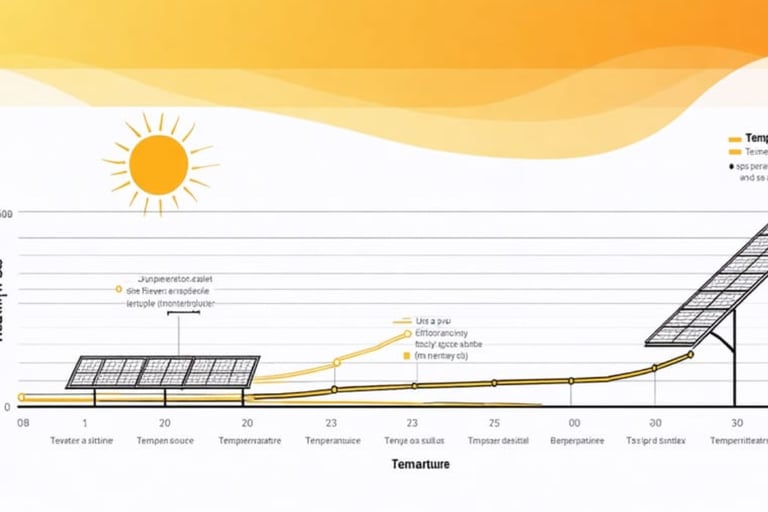
Solar panels are most efficient at moderate temperatures, typically around 25°C (77°F). When temperatures climb above this threshold, efficiency starts to drop. This happens because excessive heat reduces the voltage output of the photovoltaic (PV) cells, making them less effective at turning sunlight into usable energy. In summer, panels can heat up significantly from both ambient air and the intense sunlight, leading to a noticeable dip in performance—sometimes by 10-25% depending on the conditions.
Heat simply isn't our friend here. It causes electrons in the panel's materials to become overly excited, increasing resistance and lowering overall output. This is why solar systems in hot climates often underperform expectations during peak summer heat waves.
The Vital Role of Air Circulation
To combat heat buildup, proper air circulation around solar panels is crucial. Most installations leave space beneath the panels to allow wind and air to flow freely, dissipating excess heat and keeping the panels cooler. Without good ventilation—say, if panels are mounted flat on a roof with no gap—they can overheat even more, exacerbating efficiency losses. In summer, stagnant hot air can trap heat, but a well-designed system with ample airflow helps mitigate this. Come winter, the naturally cooler air enhances this cooling effect, letting panels operate closer to their optimal temperature range.
Winter Wins for Efficiency, Even If Production Differs
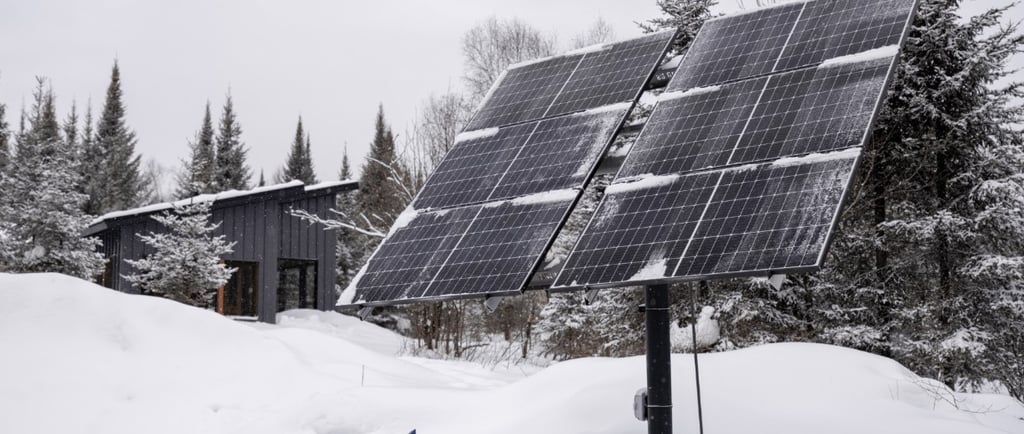
In winter, the story flips: cooler temperatures boost efficiency, allowing panels to convert available sunlight more effectively. Electrons move more freely in the cold, reducing resistance and increasing power generation per ray of sunlight. While total energy production might be lower due to shorter days and lower sun angles, the efficiency per hour of sunlight is higher than in summer. For instance, panels can be up to 10-20% more efficient on a crisp, sunny winter day compared to a sweltering summer one.
In summary, if you're chasing peak efficiency, winter's chill gives solar panels an edge over summer's heat. Just ensure your setup prioritizes airflow to keep things cool year-round.
Tilt Angle Optimization: Winter vs. Summer Degrees
One key factor in maximizing efficiency year-round is the tilt angle of your solar panels—the angle at which they're mounted relative to the horizontal. This affects how much sunlight hits the panels directly, and it's influenced by the sun's path. In winter, the sun is lower in the sky (due to Earth's axial tilt), so steeper angles capture more rays. In summer, the sun is higher, favoring shallower angles. But here's the twist: while adjusting for seasons can optimize output, many setups use a fixed "winter-optimized" tilt year-round for good reason.
Why Winter Tilt (Steeper Angle) Often Wins for the Whole Year
Winter Tilt: Around 50-60° (e.g., for latitude 46° like Zala County, HU: latitude +15°). This maximizes low-angle winter sun, boosting efficiency when days are short but panels run cooler and more effectively.
Summer Tilt: Around 20-30° (latitude -15°). Better for high-angle summer sun, but panels get hotter, reducing efficiency despite more sunlight.
Fixed Winter Tilt All Year: Panels perform great in winter (higher efficiency per ray) and still decently in summer (only 5-10% less optimal than a summer tilt, but the heat penalty is avoided). Result? Overall annual output can be 5-15% higher than a fixed summer tilt, especially in temperate climates with cold winters.
Why Not Summer Tilt Year-Round? It wastes winter potential—low sun means less direct hit, and even if adjusted, summer heat drags efficiency down more than the tilt mismatch hurts in winter. Plus, steeper tilts promote better self-cleaning from rain/snow and improve air circulation underneath.
Of course, the best setup is adjustable (manual seasonal changes or automated trackers), which can yield 20-30% more annual energy. But for fixed installs, locking in that winter degree keeps things simple, efficient, and heat-resistant—proving once again that cooler (literally) heads prevail in solar!