Lightning Safety
Why It Matters More Than Ever
1/15/20262 min read
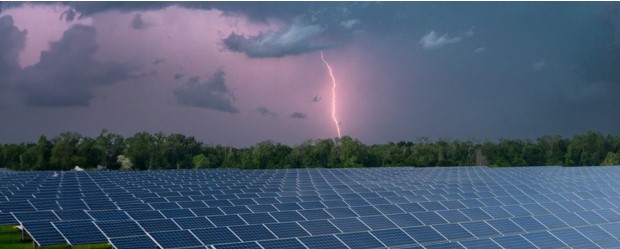
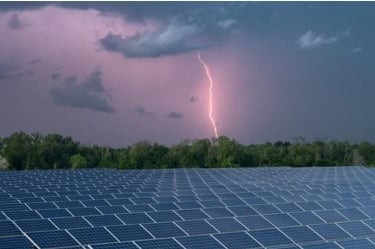
Solar panels are built tough — they handle rain, hail, wind, and years of sun without complaint. But when thunderstorms roll in, especially in areas prone to frequent lightning like parts of Hungary, one overlooked threat can turn your investment into a costly repair bill: lightning strikes (direct or indirect).
The good news? Solar panels themselves don't attract lightning more than any other tall structure on your roof. The bad news? A nearby strike (even miles away) or a direct hit can induce massive voltage surges that fry inverters, melt wiring, damage charge controllers, or shatter panel glass. We've seen real-world cases where a single indirect strike wiped out thousands in equipment — and that's exactly why proper lightning protection isn't optional; it's essential for safety, reliability, and peace of mind.
The Risks Are Real (But Preventable)
Direct strikes are rare but devastating: they can crack panels or start fires.
Indirect strikes (far more common) create powerful electromagnetic fields and surges that travel through wiring, overwhelming unprotected inverters and electronics.
Result? Blown components, system downtime, or — in worst cases — electrical hazards to people and property.
How to Keep Your System Safe
The foundation of lightning protection is simple but effective:
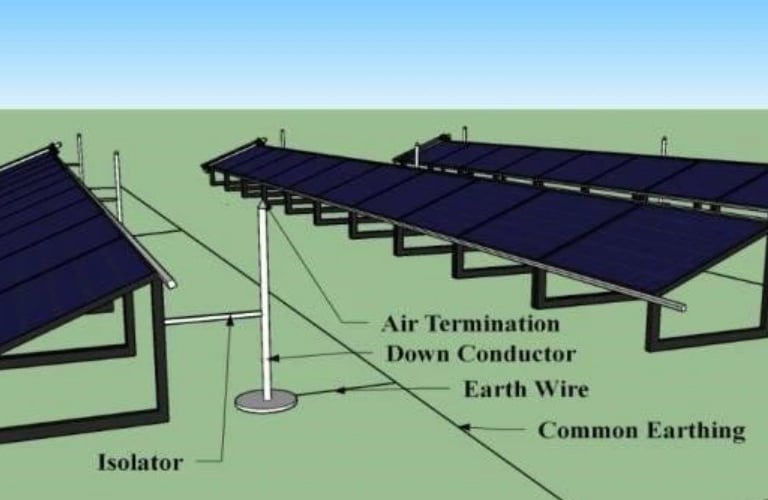
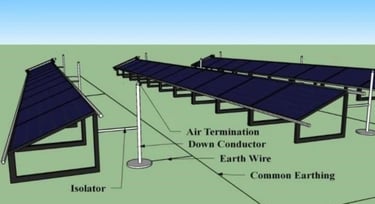
Proper Grounding — Connect all metal frames, rails, mounts, and equipment to a low-resistance earth ground (usually with copper wire and driven ground rods). This gives surges the easiest path to dissipate harmlessly into the soil.
Surge Protection Devices (SPDs) — Install DC and AC surge arrestors at key points (array combiner, inverter input/output). They clamp excess voltage before it reaches sensitive gear.
Lightning Arrestors / Air-Termination — For higher-risk areas, add lightning rods or meshes above the array to intercept strikes.
(Notice the grounding wires, surge protectors, and sometimes dedicated rods — simple additions that make a huge difference.)
Bottom Line
Lightning is unpredictable, but damage from it is highly preventable. A few hundred euros invested in grounding, SPDs, and basic arrestors can save you thousands in repairs — and more importantly, keep your family and home safe.
Whether you're running a DIY off-grid setup or a grid-tied roof array, don't skip this step. In storm season, the best solar system is the one that's still humming after the thunder fades.
Stay safe out there — and keep those panels producing!